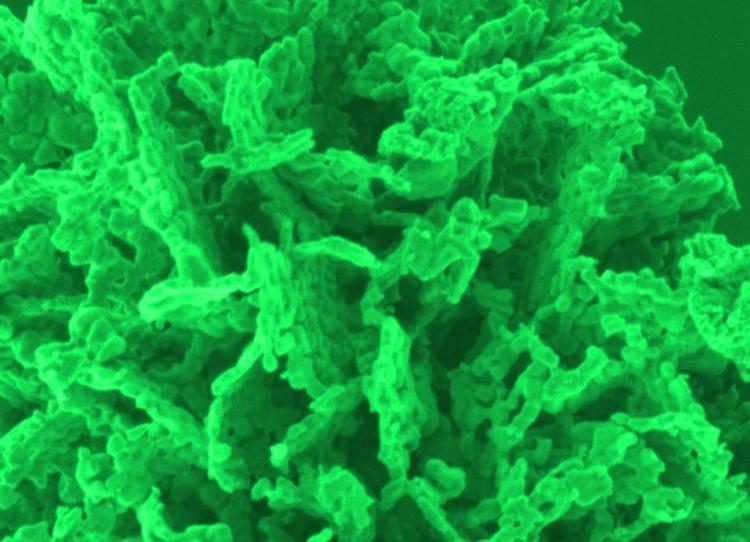
Low-cost synthesis (chemical or electrochemical bath deposition) of nanostructures joins with simple sensor fabrication in lab to exploit the large potentialities of these innovative materials.
Examples of ready or under construction sensors are:
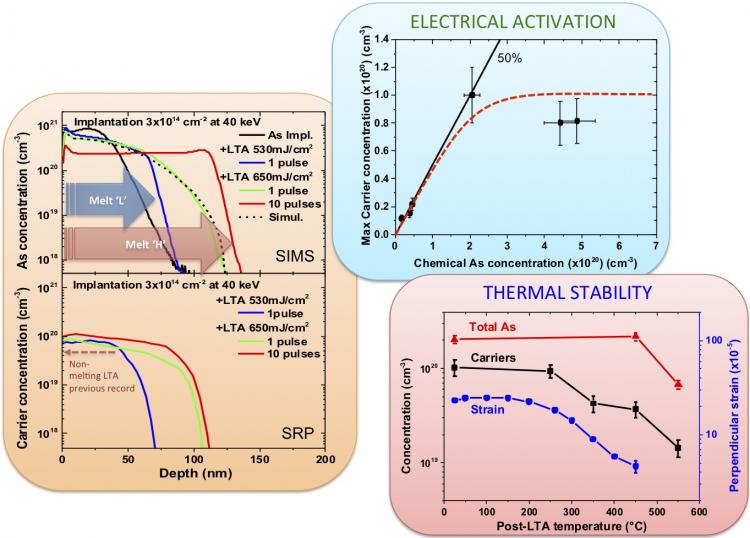
Germanium is experiencing a renaissance during the last decade for several advanced applications such as high- mobility non-Si CMOS transistors to overcome the limits of Si scaling, infrared photodetectors, infrared-emitting lasers based on Ge, mid-infrared plasmonics based on heavily doped Ge, e
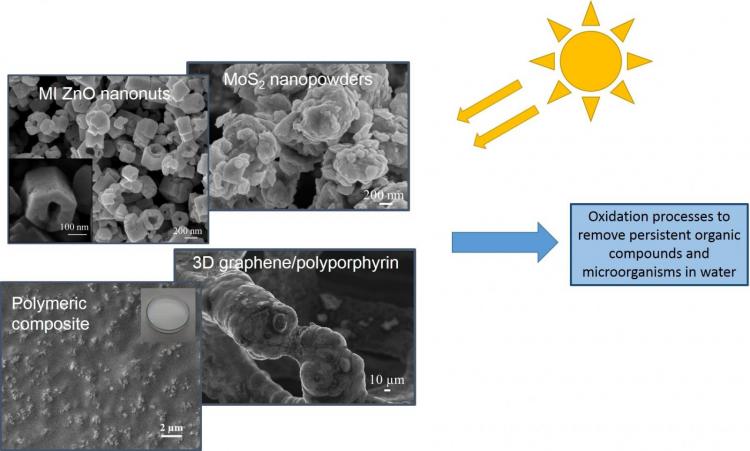
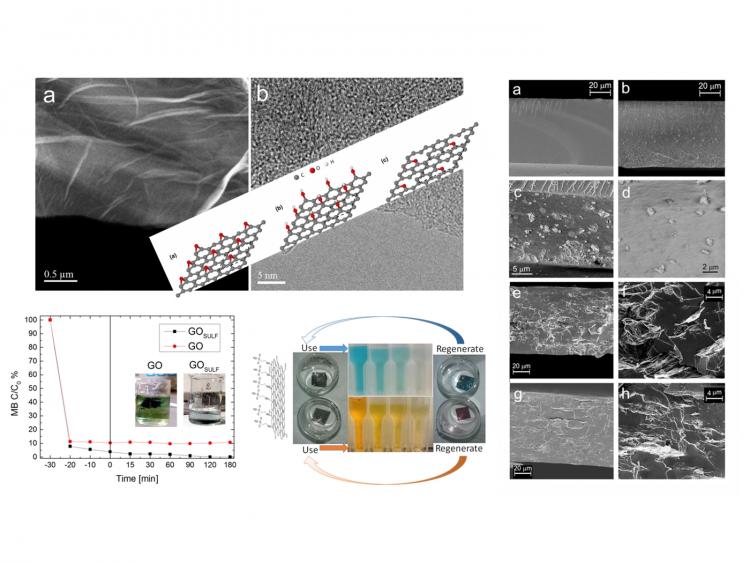
The main concept of the present activity is the synthesis and application of photocatalytic nanostructured materials for water treatment. Nanomaterials are indeed very efficient photocatalysts due to their large surface/volume ratio.
We exploit the capabilities of plasma to produce advanced materials for several applications, ranging from solar cells to advanced nanostructured materials to be integrated in state of the art devices.
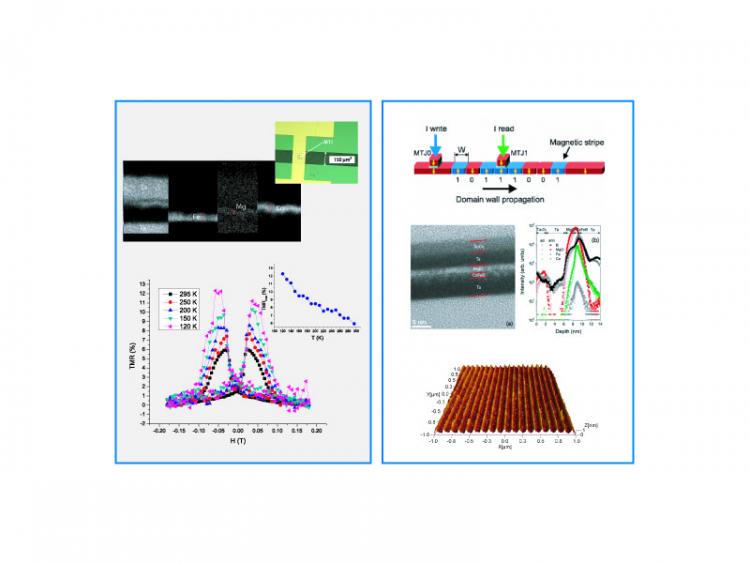
This research activity at IMM Agrate is mainly focused on the use of chemical methods such as atomic layer deposition (ALD) and chemical vapour deposition (CVD) to synthesize materials for applications in spin-based electronics (spintronics).
Information processing in classical von Neumann architectures is less efficient compared to biological counterparts when dealing with ill-posed problems and noisy data.